1
AN INSTANT DOWNLOAD VIDEO TUTORIAL
2
IN-PERSON TUNING COURSE
Those courses take the form of 3 hours blocks for a total price of $400.00.
I use the theoretical part of my Piano Tuning Tutorial to illustrate my teaching.
This course gives the student a broad, general and complete knowledge about all aspects of the accordion or the piano but most importantly, the theoretical content useful for for the apprenticeship of tuning.
Watch these short samples from the Piano Tuning Tutorial on the tuning lever manipulation
Here are other examples of what you will learn:
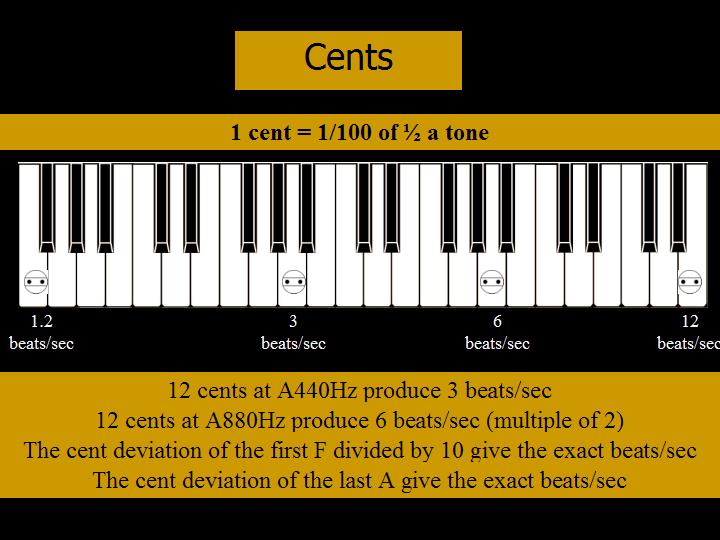
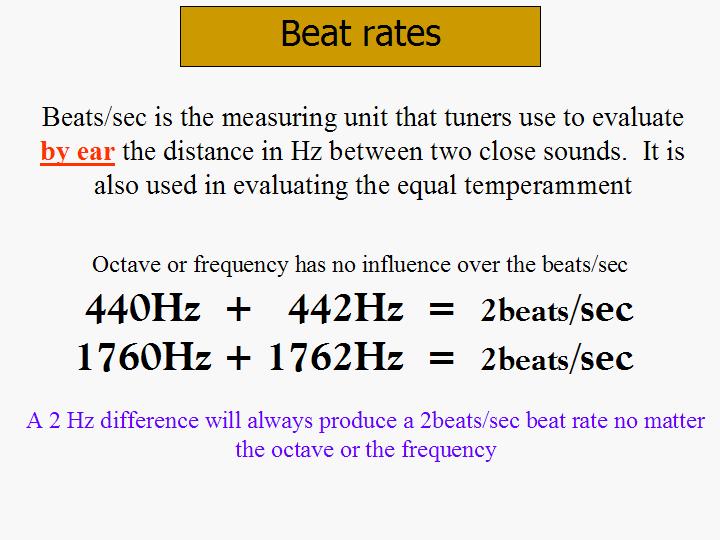
The content is vast and once the first course is mastered, the student can choose to come back any number of times after six months or a year, for a follow up.
Note that these "private" courses/conferences are available to groups.
Cost is $400/3hours for one person and $50 for each additional person.
To schedule your private session or for a public representation please contact me.
Call me at: (819) 769-1407 or contact me via email

Hi Mario,
After tuning my second piano (option 2 – pitch raise) according to your system, I again resulted in a piano that is all sharp (~+5 cents across all octaves).
It occurred to me that perhaps the issue is with the ETD (an app on my phone – PianoMeter) that may be advanced in a way that interferes with your system. It firstly learns the piano’s enharmonics, to make up for it – and then also adds a tuning curve (lower than temperament in bass and higher in treble). Could that explain it?
Hi Ethan,
It is perfectly normal that some pianos will be +5cents sharp or something else. 5 cents sharp is only 441Hz relative.
The result obtained with the technique I teach on Option #2 to raise pianos will vary depending on the initial pitch of the piano it is performed on.
You can “adapt” for different situations like for instance a piano that is at 436Hz flat wont need that much of a pitch raise so you may start the bass at only 441Hz instead of 442Hz.
Or another piano that is a complete tone flat. For that piano you might want to start raising the bass region to 443Hz instead of the regular 442Hz demonstrated in my piano raising method Option#2.
Also I suggest you don’t rely of the ETD app like PianoMeter to follow the curve they give after somewhat “analyzing” the piano first. This is not precise. Don’t use it.
Have fun!
Thank you Mario. I am – immensely. Great satisfaction!